
Abstract
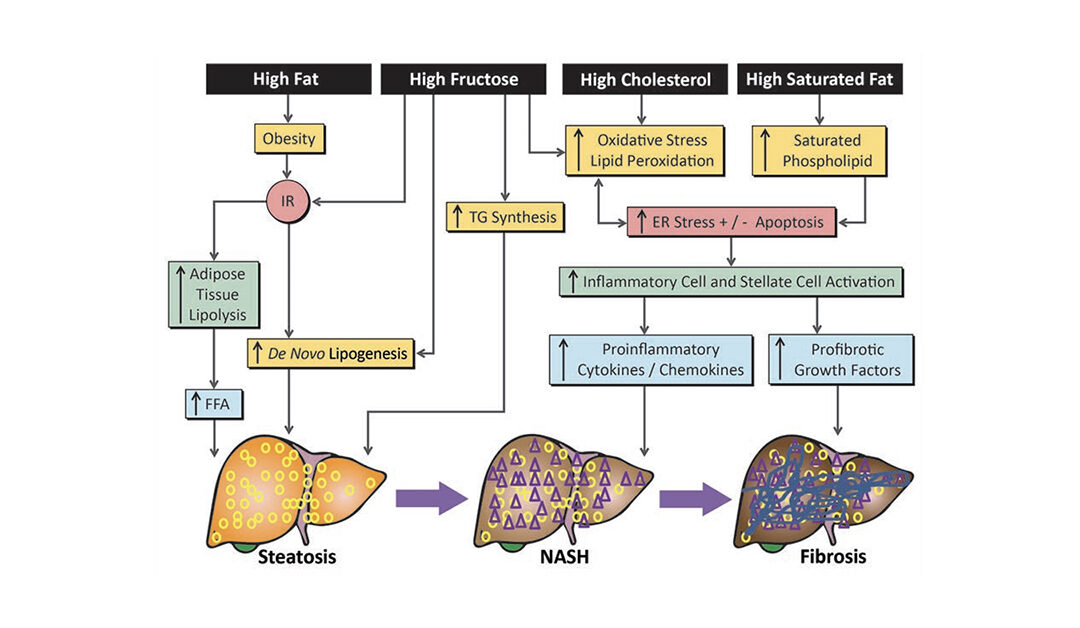
Nonalcoholic fatty liver disease (NAFLD) is a complex spectrum of disorders ranging from simple benign steatosis to more aggressive forms of nonalcoholic steatohepatitis (NASH) and fibrosis. Although not every patient with NAFLD/NASH develops liver complications, if left untreated it may eventually lead to cirrhosis and hepatocellular carcinoma. Purified diets formulated with specific nutritional components can drive the entire spectrum of NAFLD in rodent models. Although they may not perfectly replicate the clinical and histological features of human NAFLD, they provide a model to gain further understanding of disease progression in humans. Owing to the growing demand of diets for NAFLD research, and for our further understanding of how manipulation of dietary components can alter disease development, we outlined several commonly used dietary approaches for rodent models, including mice, rats, and hamsters, time frames required for disease development and whether other metabolic diseases commonly associated with NAFLD in humans occur. Curr Dev Nutr 2020;4:nzaa078.
References
- Hubscher SG. Histological assessment of non-alcoholic fatty liver disease. Histopathology 2006;49(5):450–65.
- Hansen HH, Feigh M, Veidal SS, Rigbolt KT, Vrang N, Fosgerau K.Mouse models of nonalcoholic steatohepatitis in preclinical drug development. Drug Discov Today 2017;22(11):1707–18.
- Dowman JK, Tomlinson JW, Newsome PN. Pathogenesis of non-alcoholic fatty liver disease. QJM2010;103(2):71–83.
- Lau JK, Zhang X, Yu J. Animal models of non-alcoholic fatty liver disease: current perspectives and recent advances. J Pathol 2017;241(1):36–44.
- Jouihan H, Will S, Guionaud S, Boland ML, Oldham S, Ravn P, Celeste A, Trevaskis JL. Superior reductions in hepatic steatosis and fibrosis with co-administration of a glucagon-like peptide-1 receptor agonist and obeticholic acid in mice. Mol Metab 2017;6(11):1360–70.
- Browning JD, Szczepaniak LS, Dobbins R, Nuremberg P, Horton JD, Cohen JC, Grundy SM, Hobbs HH. Prevalence of hepatic steatosis in an urban population in the United States: impact of ethnicity. Hepatology 2004;40(6):1387–95.
- Agopian VG, Kaldas FM, Hong JC, Whittaker M, Holt C, Rana A, Zarrinpar A, Petrowsky H, Farmer D, Yersiz H, et al. Liver transplantation for Nonalcoholic Steatohepatitis: the new epidemic.AnnSurg2012;256(4):624–33.
- Van Herck MA, Vonghia L, Francque SM. Animal models of nonalcoholic fatty liver disease—a starter’s guide.Nutrients2017;9(10):1072.
- Puri P, Sanyal AJ. Nonalcoholic fatty liver disease: definitions, risk factors, and workup.ClinLiverDis(Hoboken)2012;1(4):99–103.
- Brunt EM, Janney CG, Di Bisceglie AM, Neuschwander-Tetri BA, Bacon BR. Nonalcoholic steatohepatitis: a proposal for grading and staging the histological lesions.AmJGastroenterol1999;94(9):2467–74.
- Kleiner DE, Brunt EM, Van Natta M, Behling C, Contos MJ, Cummings OW, Ferrell LD, Liu YC, Torbenson MS, Unalp-Arida A, et al. Design and validation of a histological scoring system for nonalcoholic fatty liver disease. Hepatology 2005;41(6):1313–21.
- Kleiner DE, Brunt EM.Nonalcoholic Fatty Liver Disease: pathologic patterns and biopsy evaluation in clinical research. Semin Liver Dis 2012;32(1):3–13.
- Liang W, Menke AL, Driessen A, Koek GH, Lindeman JH, Stoop R, Havekes LM, Kleemann R, van den Hoek AM. Establishment of a general NAFLD scoring system for rodent models and comparison to human liver pathologies. PLoS One 2014;9(12):e115922.
- Rastogi A, Shasthry SM, Agarwal A, Bihari C, Jain P, Jindal A, Sarin S. Non-alcoholic fatty liver disease – histological scoring systems: a large cohort single-centre, evaluation study. APMIS 2017;125(11):962–73.
- Alam S, Mustafa G, Alam M, Ahmad N. Insulin resistance in the development and progression of nonalcoholic fatty liver disease. World J Gastrointest Pathophysiol 2016;7(2):211–7.
- Marchesini G, Brizi M, Morselli-Labate AM, Bianchi G, Bugianesi E, McCullough AJ, Forlani G, Melchionda N. Association of nonalcoholic fatty liver disease with insulin resistance. Am J Med 1999;107(5):450–5.
- Day CP, James OF. Steatohepatitis: a tale of two “hits”? Gastroenterology 1998;114(4):842–5.
- Tariq Z, Green CJ, Hodson L. Are oxidative stress mechanisms the common denominator in the progression from hepatic steatosis towards non-alcoholic steatohepatitis (NASH)?LiverInt2014;34(7):e180–90.
- Tilg H, Moschen AR. Evolution of inflammation in non-alcoholic fatty liver disease: the multiple parallel hypotheses. Hepatology 2010;52(5):1836–46.
- Haczeyni F, Yeh MM, Ioannou GN, Leclercq IA, Goldin R, Dan YY, Yu J, Teoh NC, Farrell GC. Mouse models of non-alcoholic steatohepatitis: a reflection on recent literature. J Gastroenterol Hepatol 2018;33(7):1312–20.
- Fengler VH, Macheiner T, Kessler SM, Czepukojc B,Gemperlein K, Müller R, Kiemer AK, Magnes C, Haybaeck J, Lackner C, et al. Susceptibility of different mouse wild-type strains to develop diet-induced NAFLD/AFLD-associated liver disease.PLoSOne2016;11(5):e0155163.
- Rodrigues AA, Andrade RSB, Vasconcelos DFP. Relationship between experimental diet in rats and nonalcoholic hepatic disease: review of literature. Int J Hepatol 2018:9023027.
- Oligschlaeger Y, Shiri-Sverdlov R. NAFLD preclinical models: more than a handful, less of a concern?Biomedicines2020;8(2):28.
- Liu X, Wang Y, Ming Y, Song Y, Zhang J, Chen X, Zeng M, Mao Y. S100A9: a potential biomarker for the progression of non-alcoholic fatty liver disease and the diagnosis of non-alcoholic steatohepatitis. PLoS One 2015;10(5):e0127352.
- Machado MV, Michelotti GA, Xie G, Almeida Pereira T, Boursier J, Bohnic B, GuyCD, DiehlAM. Mouse models of diet-induced nonalcoholic steatohepatitis reproduce the heterogeneity of the human disease. PLoS One 2015;10(5):e0127991.
- Vetelainen R, van Vliet A, van Gulik TM. Essential pathogenic and metabolic differences in steatosis induced by choline or methionine-choline-deficient diets in a rat model.JGastroenterolHepatol2007;22(9):1526–33.
- Matsumoto M, Hada N, Sakamaki Y, Uno A, Shiga T, Tanaka C, Ito T, Katsume A, Sudoh M. An improved mouse model that rapidly develops fibrosis in non-alcoholic steatohepatitis. Int J Exp Pathol 2013;94(2):93–103.
- Chiba T, Suzuki S, Sato Y, Itoh T, Umegaki K. Evaluation of methionine content in a high-fat and choline-deficient diet on body weight gain and the development of non-alcoholic steatohepatitis in mice. PLoS One 2016;11(10):e0164191.
- Ikawa-Yoshida A, Matsuo S, Kato A, Ohmori Y, Higashida A, Kaneko E, Matsumoto M. Hepatocellular carcinoma in a mouse model fed a choline-deficient, L-amino acid-defined, high-fat diet. Int J Exp Path 2017;98(4):221–33.
- Nakae D, Yoshiji H, Mizumoto Y, Horiguchi K, Shiraiwa K, Tamura K, Denda A, Konishi Y. High incidence of hepatocellular carcinomas induced by a choline-deficient L-amino acid-defined diet in rats. Cancer Res 1992;52(18):5042–5.
- ChongL-W, HsuY-C, LeeT-F, Lin Y, ChiuY-T, YangK-C, WuJ-C, Huang Y-T. Fluvastatin attenuates hepatic steatosis-induced fibrogenesis in rats through inhibiting the paracrine effect of hepatocytes on hepatic stellate cells. BMC Gastroenterol 2015;15:22.
- Takeuchi-Yorimoto A, Noto T, Yamada A, Miyamae Y, Oishi Y, Matsumoto M. Persistent fibrosis in the liver of choline-deficient and iron-supplemented l-amino acid-defined diet-induced nonalcoholic steatohepatitis rat due to continuing oxidative stress after choline supplementation. Toxicol Appl Pharmacol 2013;268(3):264–77.
- Hironaka K, Sakaida I, Uchida K, Okita K. Correlation between stellate cell activation and serum fibrosis markers in choline-deficient l-amino acid-defined diet-induced rat liver fibrosis. Dig Dis Sci 2000;45(10):1935–43.
- De Minicis S, Agostinelli L, Rychlicki C, Sorice GP, Saccomanno S, CandelaresiC,GiaccariA,TrozziL,PierantonelliI,MingarelliE,etal.HCC development is associated with peripheral insulin resistance in a mouse model of NASH. PLoS One 2014;9(5):e97136.
- Luo F, Ishigami M, Achiwa K, Ishizu Y, Kuzuya T, Honda T, Hayashi K, Ishikawa T, Katano Y, Goto H. Raloxifene ameliorates liver fibrosis of nonalcoholic steatohepatitis induced by choline-deficient high-fat diet in ovariectomized mice. Dig Dis Sci 2015;60(9):2730–9.
- Raubenheimer PJ, Nyirenda MJ, Walker BR. A choline-deficient diet exacerbates fatty liver but attenuates insulin resistance and glucose intolerance in mice fed a high-fat diet. Diabetes 2006;55(7):2015–20.
- Yang YM, Noureddin M, Liu C, Ohashi K, Kim SY, Ramnath D, Powell EE, Sweet MJ, Roh YS, Hsin IF, et al. Hyaluronan synthase 2–mediated hyaluronan production mediates Notch1 activation and liver fibrosis. Sci Transl Med 2019;11(496):eaat9284.
- Wolf MJ, Adili A, Piotrowitz K, Abdullah Z, Boege Y, Stemmer K, Ringelhan M, Simonavicius N, Egger M, Wohlleber D, et al. Metabolic activation of intrahepatic CD8+ T cells and NKT cells causes nonalcoholic steatohepatitis and liver cancer via cross-talk with hepatocytes. Cancer Cell 2014;26(4):549–64.
- Flores-Costa R, Alcaraz-Quiles J, Titos E, López-Vicario C, Casulleras M, Duran-Güell M, Rius B, Diaz A, Hall K, Shea C, et al. The soluble guanylate cyclase stimulator IW-1973 prevents inflammation and fibrosis in experimental non-alcoholic steatohepatitis. Br J Pharmacol 2018;175(6):953–67.
- van der Heijden RA, Sheedfar F, Morrison MC, Hommelberg PP, Kor D, Kloosterhuis NJ, Gruben N, Youssef SA, de Bruin A, Hofker MH, et al. A high-fat diet-induced obesity primes inflammation in adipose tissue prior to liver in C57BL/6j mice. Ageing 2015;7(4):256–68.
- Hill-BaskinAE,MarkiewskiMM,BuchnerDA,ShaoH,DeSantisD,Hsiao G,SubramaniamS,BergerNA,CronigerC,LambrisJD,etal.Diet-induced hepatocellular carcinoma in genetically predisposed mice. Hum Mol Genet 2009;18(16):2975–88.
- Svegliati-Baroni G, Candelaresi C, Saccomanno S, Ferretti G, Bachetti T, Marzioni M, De Minicis S, Nobili L, Salzano R, Omenetti A, et al. A model of insulin resistance and nonalcoholic steatohepatitis in rats: role of peroxisome proliferator-activated receptor-α and n-3 polyunsaturated fatty acid treatment on liver injury. Am J Pathol 2006;169(3):846–60.
- Kawasaki T, Igarashi K, Koeda T, Sugimoto K, Nakagawa K, Hayashi S, Yamaji R, Inui H, Fukusato T, Yamanouchi T. Rats fed fructose-enriched diets have characteristics of nonalcoholic hepatic steatosis.JNutr 2009;139(11):2067–71.
- Svendsen P, Graversen JH, Etzerodt A, Hager H, Roge R, Gronbaek H, Christensen EI, Moller HJ, Vilstrup H, Moestrup SK. Antibody-directed glucocorticoid targeting to CD163 in M2-type macrophages attenuates fructose-induced liver inflammatory changes.MolTherMethodsClinDev 2017;4:50–61.
- Clapper JR, Hendricks MD, Gu G, et al. Diet-induced mouse model of fatty liver disease and nonalcoholic steatohepatitis reflecting clinical disease progression and methods of assessment. Am J Physiol Gastrointest Liver Physiol 2013;305(7):G483–95.
- Jensen VS, Hvid H, Damgaard J, et al. Dietary fat stimulates development of NAFLD more potently than dietary fructose in Sprague-Dawley rats. Diabetol Metab Syndr 2018;10:4.
- Drescher HK, Weiskirchen R, Fülöp A, et al. The influence of different fat sources on steatohepatitis and fibrosis development in the Western diet mouse model of non-alcoholic steatohepatitis (NASH). Front Physiol 2019;10:770.
- Boland M, Oró D, Tølbøl KS, et al. Towards a standard diet-induced and biopsy-confirmed mouse model of non-alcoholic steatohepatitis: impact of dietary fat source. World J Gastroenterol 2019;25:4904–20.
- Kirpich IA, Gobejishvili LN, Bon Homme M, et al. Integrated hepatic transcriptome and proteome analysis of mice with high-fat diet-induced nonalcoholic fatty liver disease. J Nutr Biochem 2011;22(1):38–45.
- Ito M, Suzuki J, Tsujioka S, et al. Longitudinal analysis of murine steatohepatitis model induced by chronic exposure to high-fat diet. Hepatol Res 2007;37(1):50–7.
- Ishimoto T, Lanaspa MA, Rivard CJ, et al. High-fat and high-sucrose (western) diet induces steatohepatitis that is dependent on fructokinase. Hepatology 2013;58(5):1632–43.
- de Wit N, Derrien M, Bosch-Vermeulen H, et al. Saturated fat stimulates obesity and hepatic steatosis and affects gut microbiota composition by an enhanced overflow of dietary fat to the distal intestine. Am J Physiol Gastrointest Liver Physiol 2012;303(5):G589–99.
- Samuel VT, Liu ZX, Qu X, et al. Mechanism of hepatic insulin resistance in non-alcoholic fatty liver disease. J Biol Chem 2004;279(31):32345–53.
- Gauthier MS, Favier R, Lavoie JM. Time course of the development of non-alcoholic hepatic steatosis in response to high-fat diet-induced obesity in rats. Br J Nutr 2006;95(2):273–81.
- Hsu HC, Dozen M, Matsuno N, et al. Experimental nonalcoholic steatohepatitis induced by neonatal streptozotocin injection and a high-fat diet in rats. Cell Med 2013;6(1–2):57–62.
- Kubota N, Kado S, Kano M, et al. A high-fat diet and multiple administration of carbon tetrachloride induces liver injury and pathological features associated with non-alcoholic steatohepatitis in mice. Clin Exp Pharmacol Physiol 2013;40(7):422–30.
- Wang D, Wei Y, Pagliassotti MJ. Saturated fatty acids promote endoplasmic reticulum stress and liver injury in rats with hepatic steatosis. Endocrinology 2006;147(2):943–51.
- Leamy AK, Egnatchik RA, Shiota M, et al. Enhanced synthesis of saturated phospholipids is associated with ER stress and lipotoxicity in palmitate treated hepatic cells. J Lipid Res 2014;55(7):1478–88.
- Lieber CS, Leo MA, Mak KM, et al. Model of nonalcoholic steatohepatitis. Am J Clin Nutr 2004;79(3):502–9.
- Eccleston HB, Andringa KK, Betancourt AM, et al. Chronic exposure to a high-fat diet induces hepatic steatosis, impairs nitric oxide bioavailability, and modifies the mitochondrial proteome in mice. Antioxid Redox Signal 2011;15(2):447–59.
- Lieber CS, DeCarli LM, Leo MA, et al. Beneficial effects versus toxicity of medium-chain triacylglycerols in rats with NASH. J Hepatol 2008;48(2):318–26.
- Tzeng TF, Liou SS, Chang CJ, Liu IM. [6]-gingerol dampens hepatic steatosis and inflammation in experimental nonalcoholic steatohepatitis. Phytomedicine 2015;22(4):452–61.
- Ou TH, Tung YT, Yang TH, Chien YW. Melatonin improves fatty liver syndrome by inhibiting the lipogenesis pathway in hamsters with high-fat diet-induced hyperlipidemia. Nutrients 2019;11(4):748.
- Romestain C, Piquet MA, Bedu E, et al. Long term highly saturated fat diet does not induce NASH in Wistar rats. Nutr Metab (Lond) 2007;4:4.
- Anstee QM, Concas D, Kudo H, et al. Impact of pan-caspase inhibition in animal models of established steatosis and non-alcoholic steatohepatitis. J Hepatol 2010;53(3):542–50.
- Sahai A, Malladi P, Melin-Aldana H, et al. Upregulation of osteopontin expression is involved in the development of nonalcoholic steatohepatitis in a dietary murine model. Am J Physiol Gastrointest Liver Physiol 2004;287(1):G264–73.
- Weltman MD, Farrell GC, Liddle C. Increased hepatocyte CYP2E1 expression in a rat nutritional model of hepatic steatosis with inflammation. Gastroenterology 1996;111(6):1645–53.
- Ramadori P, Weiskirchen R, Trebicka J, Streetz K. Mouse models of metabolic liver injury. Lab Anim 2015;49(1 Suppl):47–58.
- Lee SJ, Kang JH, Iqbal W, Kwon OS. Proteomic analysis of mice fed methionine and choline deficient diet reveals marker proteins associated with steatohepatitis. PLoS One 2015;10(4):e0120577.
- Caballero F, Fernández A, Matías N, et al. Specific contribution of methionine and choline in nutritional nonalcoholic steatohepatitis: impact on mitochondrial S-adenosyl-l-methionine and glutathione. J Biol Chem 2010;285(24):18528–36.
- Pickens MK, Yan JS, Ng RK, et al. Dietary sucrose is essential to the development of liver injury in the methionine-choline-deficient model of steatohepatitis. J Lipid Res 2009;50(10):2072–82.
- Pickens MK, Ogata H, Soon RK, et al. Dietary fructose exacerbates hepatocellular injury when incorporated into a methionine-choline-deficient diet. Liver Int 2010;30(8):1229–39.
- Lee GS, Yan JS, Ng RK, et al. Polyunsaturated fat in the methionine-choline-deficient diet influences hepatic inflammation but not hepatocellular injury. J Lipid Res 2007;48(8):1885–96.
- Hussein O, Grosovski M, Lasri E, et al. Monounsaturated fat decreases hepatic lipid content in non-alcoholic fatty liver disease in rats. World J Gastroenterol 2007;13(3):361–8.
- Bates JG, Breckenridge DGC, Liles JT, inventors. Methods of treating liver disease. Gilead Sciences, Inc., United States patent No.: US2018/0280394 A1, Oct 4, 2018.
- Tomita K, Teratani T, Suzuki T, et al. Free cholesterol accumulation in hepatic stellate cells: mechanism of liver fibrosis aggravation in nonalcoholic steatohepatitis in mice. Hepatology 2014;59(1):154–69.
- Kirsch R, Clarkson V, Shephard EG, et al. Rodent nutritional model of non-alcoholic steatohepatitis: species, strain and sex difference studies. J Gastroenterol Hepatol 2003;18(11):1272–82.
- Rinella ME, Green RM. The methionine-choline deficient dietary model of steatohepatitis does not exhibit insulin resistance. J Hepatol 2004;40(1):47–51.
- Tolosa L, Bonora-Centelles A, Teresa Donato M, et al. Steatotic liver: a suitable source for the isolation of hepatic progenitor cells. Liver Int 2011;31(8):1231–8.
- Wei G, An P, Vaid KA, et al. Comparison of murine steatohepatitis models identifies a dietary intervention with robust fibrosis, ductular reaction, and rapid progression to cirrhosis and cancer. Am J Physiol Gastrointest Liver Physiol 2020;318(1):G174–G88.
- Cong WN, Tao RY, Tian JY, et al. The establishment of a novel non-alcoholic steatohepatitis model accompanied with obesity and insulin resistance in mice. Life Sci 2008;82(19–20):983–90.
- Nakae D, Yoshiji H, Maruyama H, et al. Production of both 8-hydroxydeoxyguanosine in liver DNA and γ-glutamyltransferase-positive hepatocellular lesions in rats given a choline-deficient, l-amino acid-defined diet. Jpn J Cancer Res 1990;81(11):1081–4.
- Fujita K, Nozaki Y, Yoneda M, et al. Nitric oxide plays a crucial role in the development/progression of nonalcoholic steatohepatitis in the choline-deficient, l-amino acid-defined diet-fed rat model. Alcohol Clin Exp Res 2010;34(Suppl 1):S18–24.
- Denda A, Kitayama W, Kishida H, et al. Development of hepatocellular adenomas and carcinomas associated with fibrosis in C57BL/6J male mice given a choline-deficient, L-amino acid-defined diet. Jpn J Cancer Res 2002;93(2):125–32.
- National Research Council (US) Subcommittee on Laboratory Animal Nutrition. Nutrient requirements of laboratory animals: fourth revised edition, 1995. Washington (DC): National Academies Press (US); 1995.
- Tashiro K, Takai S, Jin D, et al. Chymase inhibitor prevents the nonalcoholic steatohepatitis in hamsters fed a methionine- and choline-deficient diet. Hepatol Res 2010;40(5):514–23.
- Bhathena J, Kulamarva A, Martoni C, et al. Diet-induced metabolic hamster model of nonalcoholic fatty liver disease. Diabetes Metab Syndr Obes 2011;4:195–203.
- Takayama F, Nakamoto K, Totani N, et al. Effects of docosahexaenoic acid in an experimental rat model of nonalcoholic steatohepatitis. J Oleo Sci 2010;59(8):407–14.
- Gogoi-Tiwari J, Köhn-Gaone J, Giles C, et al. The murine choline-deficient, ethionine-supplemented (CDE) diet model of chronic liver injury. J Vis Exp 2017;(128):56138.
- Kulinski A, Vance DE, Vance JE. A choline-deficient diet in mice inhibits neither the CDP-choline pathway for phosphatidylcholine synthesis in hepatocytes nor apolipoprotein B secretion. J Biol Chem 2004;279(23):23916–24.
- Allen PS, Brown AW, Brown MMB, Hsu WH, Beitz DC. Taurine and vitamin E supplementations have minimal effects on body composition, hepatic lipids, and blood hormone and metabolite concentrations in healthy Sprague Dawley rats. Nutr Diet Suppl 2015;7:77–85.
- 92. Kohli R, Kirby M, Xanthakos SA, et al. High-fructose, medium chain trans fat diet induces liver fibrosis and elevates plasma coenzyme Q9 in a novel murine model of obesity and nonalcoholic steatohepatitis. Hepatology 2010;52(3):934–44.
- 93. Nigro D, Menotti F, Cento AS, et al. Chronic administration of saturated fats and fructose differently affect SREBP activity resulting in different modulation of Nrf2 and Nlrp3 inflammasome pathways in mice liver. J Nutr Biochem 2017;42:160–71.
- Sodhi K, Puri N, Favero G, et al. Fructose mediated non-alcoholic fatty liver is attenuated by HO-1-SIRT1 module in murine hepatocytes and mice fed a high fructose diet. PLoS One 2015;10(6):e0128648.
- Kasim-Karakas SE, Vriend H, Almario R, Chow LC, Goodman MN. Effects of dietary carbohydrates on glucose and lipid metabolism in golden Syrian hamsters. J Lab Clin Med 1996;128(2):208–13.
- Matsuzawa N, Takamura T, Kurita S, et al. Lipid-induced oxidative stress causes steatohepatitis in mice fed an atherogenic diet. Hepatology 2007;46(5):1392–403.
- Subramanian S, Goodspeed L, Wang S, et al. Dietary cholesterol exacerbates hepatic steatosis and inflammation in obese LDL receptor-deficient mice. J Lipid Res 2011;52(9):1626–35.
- Zheng S, Hoos L, Cook J, et al. Ezetimibe improves high fat and cholesterol diet-induced non-alcoholic fatty liver disease in mice. Eur J Pharmacol 2008;584(1):118–24.
- Savard C, Tartaglione EV, Kuver R, et al. Synergistic interaction of dietary cholesterol and dietary fat in inducing experimental steatohepatitis. Hepatology 2013;57(1):81–92.
- Lichtman AH, Clinton SK, Iiyama K, et al. Hyperlipidemia and atherosclerotic lesion development in LDL receptor–deficient mice fed defined semipurified diets with and without cholate. Arterioscler Thromb Vasc Biol 1999;19(8):1938–44.
- Montandon SA, Somm E, Loizides-Mangold U, et al. Multi-technique comparison of atherogenic and MCD NASH models highlights changes in sphingolipid metabolism. Sci Rep 2019;9(1):16810.
- Ikemoto S, Takahashi M, Tsunoda N, et al. Cholate inhibits high-fat diet-induced hyperglycemia and obesity with acyl-CoA synthetase mRNA decrease. Am J Physiol 1997;273(1 Pt 1):E37–45.
- Trevaskis JL, Griffin PS, Wittmer C, et al. Glucagon-like peptide-1 receptor agonism improves metabolic, biochemical, and histopathological indices of nonalcoholic steatohepatitis in mice. Am J Physiol Gastrointest Liver Physiol 2012;302(8):G762–72.
- Tetri LH, Basaranoglu M, Brunt EM, Yerian LM, Neuschwander-Tetri BA. Severe NAFLD with hepatic necroinflammatory changes in mice fed trans fats and a high-fructose corn syrup equivalent. Am J Physiol Gastrointest Liver Physiol 2008;295(5):G987–95.
- Hinojosa G, Hamilton A, Lora J, Short JD, Dearth RK. Characterizing a rat model to study the role endo-immunology plays in diet-induced non-alcoholic fatty liver disease. FASEB J 2017;31(1 supplement):887.17.
- Hansen HH, Boland ML, Oró D, et al. Novel Gubra Amylin NASH (GAN) diet-induced obese mouse models of biopsy-confirmed non-alcoholic steatohepatitis. Keystone Symposia—Integrated Pathways of Disease in NASH and NAFLD. Santa Fe, NM, Jan. 20–24, 2019.
- Hansen HB, Kristiansen MNB, Veidal SS, et al. Histological, biochemical and molecular disease progression in a diet-induced obese mouse model of non-alcoholic steatohepatitis. American Association for the Study of Liver Diseases Annual Conference, 2018, San Francisco, CA, Nov. 8–13.
- Rom O, Xu G, Guo Y, et al. Nitro-fatty acids protect against steatosis and fibrosis during development of nonalcoholic fatty liver disease in mice. EBioMedicine 2019;41:62–72.
- Basciano H, Miller AE, Naples M, et al. Metabolic effects of dietary cholesterol in an animal model of insulin resistance and hepatic steatosis. Am J Physiol Endocrinol Metab 2009;297(2):E462–73.
- Angulo P. Nonalcoholic fatty liver disease. Rev Gastroenterol Mex 2005;70(Suppl 3):52–6.
- Asgharpour A, Cazanave SC, Pacana T, et al. A diet-induced animal model of non-alcoholic fatty liver disease and hepatocellular cancer. J Hepatol 2016;65(3):579–88.
- Larter CZ, Yeh MM. Animal models of NASH: getting both pathology and metabolic context right. J Gastroenterol Hepatol 2008;23(11):1635–48.
- Febbraio MA, Reibe S, Shalapour S, et al. Preclinical models for studying NASH-driven HCC: how useful are they? Cell Metab 2019;29(1):18–26.
- Benbow JH, Thompson KJ, Cope HL, et al. Diet-induced obesity enhances progression of hepatocellular carcinoma through tenascin-C/toll-like receptor 4 signaling. Am J Pathol 2016;186(1):145–58.
- Pellizzon M. Choice of laboratory animal diet influences intestinal health. Lab Anim 2016;45(6):238–9.
- Pellizzon MA, Ricci MR. Effects of rodent diet choice and fiber type on data interpretation of gut microbiome and metabolic disease research. Curr Protoc Toxicol 2018;77(1):e55.
- Pellizzon MA, Ricci MR. The common use of improper control diets in diet-induced metabolic disease research confounds data interpretation: the fiber factor. Nutr Metab (Lond) 2018;15:3.